
Carissimi amici!
With Christmas Eve upon us and the holiday season in full swing, what better moment to delve into the magic of this special time?
The holiday season is a magical time filled with cherished traditions, delicious food, and joyful gatherings. In Italy, this season is deeply influenced by Christmas and its rich traditions. It begins on December 8th, the Feast of the Immaculate Conception, and extends all the way to January 6th, the Epiphany. While these dates frame the season, the final two weeks, between Christmas and the Epiphany, mark the peak of the festivities. Like in many parts of the world, schools close, many take time off work, and the country transforms into a festive wonderland.
Many American holiday traditions share similarities with Italian customs, reflecting the universal joy of this special time of year. At the same time, some customs remain uniquely Italian or distinctly American. Let’s explore the wonderful celebrations that make this magical season so special!
Decorating and Christmas Markets
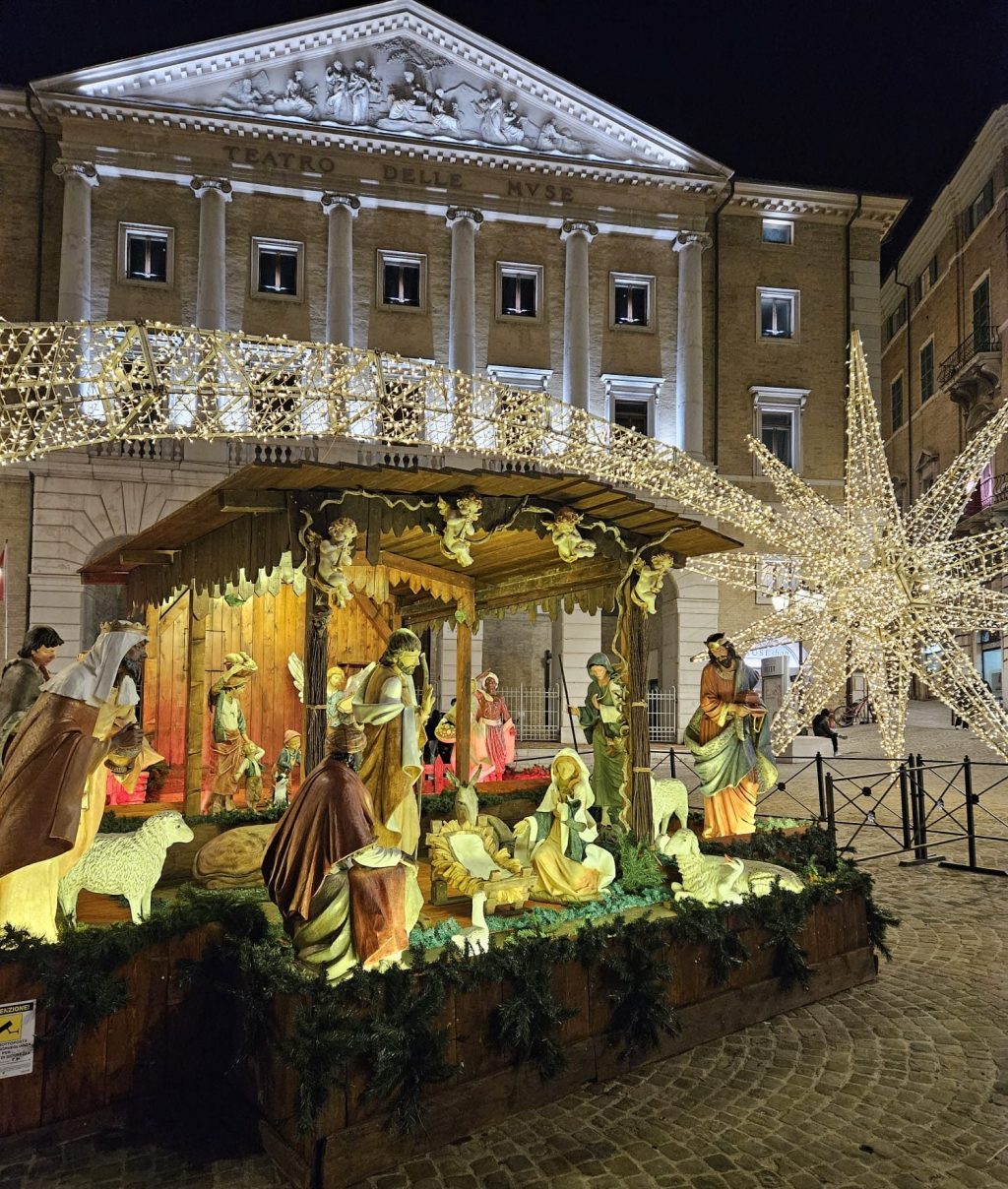
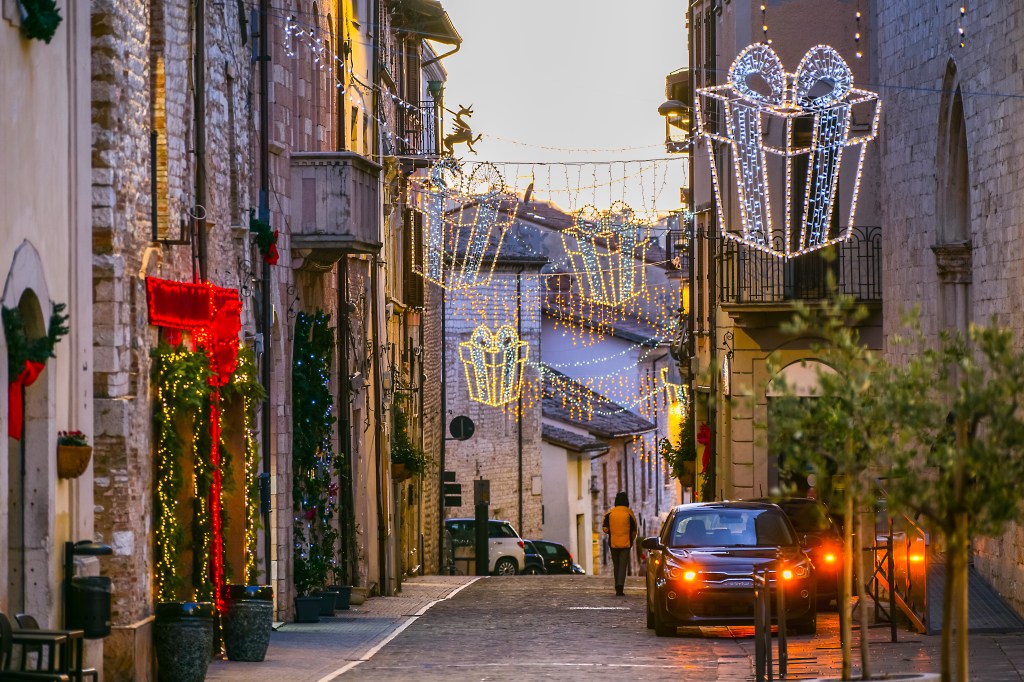
December 8th, the Feast of the Immaculate Conception, is the the time when families begin decorating their homes and cities come alive with sparkling lights, nativity scenes (presepi), and vibrant Christmas markets. Much like in the United States, decorations include twinkling lights, beautifully adorned trees, and festive wreaths. Italian Christmas markets, similar to those found in some American cities, are a highlight, offering handmade crafts, seasonal delicacies, and an atmosphere brimming with holiday cheer.

Holiday Sweets
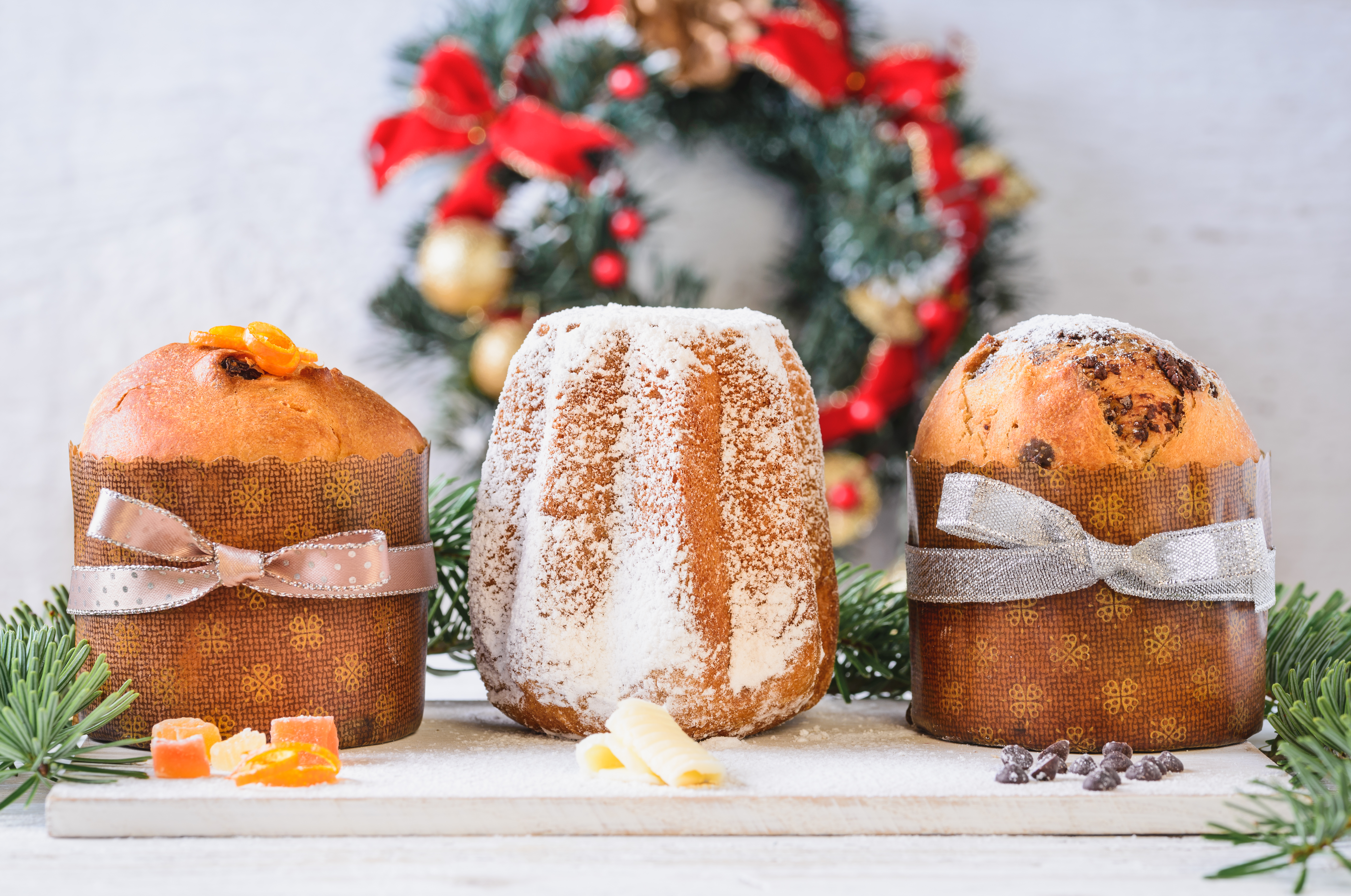
No Italian Christmas is complete without its signature sweet treats. Each region has its traditional sweet treat but everywhere you go, you’ll find panettone, a fluffy dome-shaped bread studded with raisins and candied fruit; pandoro, a buttery golden cake dusted with powdered sugar; and torrone, a chewy or crunchy nougat made with nuts and honey. While Americans enjoy cookies and candy canes during the holidays, Italians indulge in these iconic desserts, which are as symbolic of the season as gingerbread houses are in the U.S.
The Joy of the Snowy Mountains
For many Italians, the holiday season is synonymous with a trip to the mountains for a “settimana bianca” (white week). Cozy Alpine villages offer the perfect backdrop for skiing, snowboarding, and relaxing by the fire with loved ones. This tradition mirrors the American love for winter getaways, where families head to ski resorts or snowy cabins to celebrate in a festive and cozy setting.

Gatherings and Games
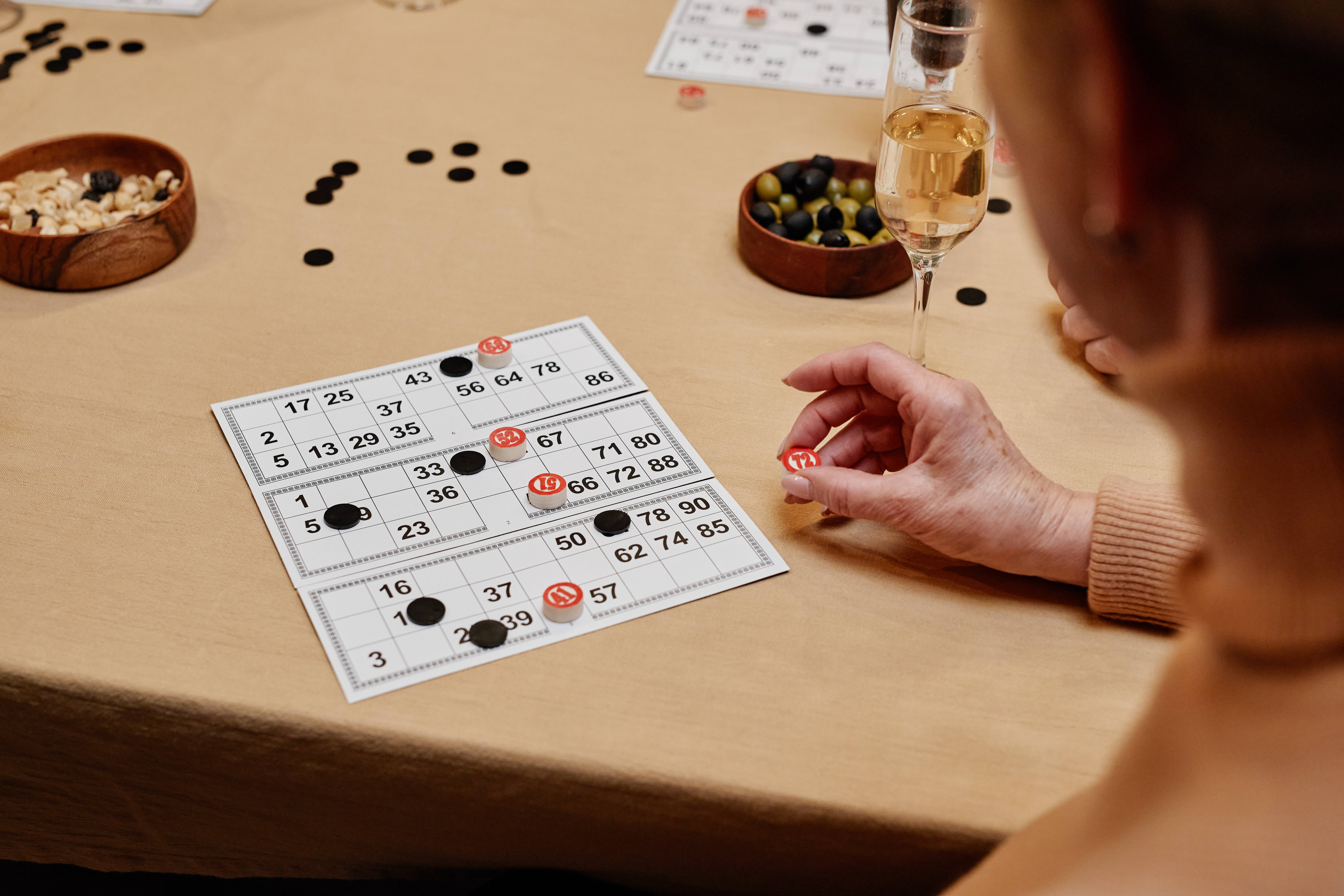
The holiday season is all about spending time with family and friends. Italian gatherings often revolve around long meals and traditional games. One of the most beloved holiday pastimes is tombola, a bingo-like game played only during the Christmas season. Similarly, Americans enjoy family time during the holidays with board games, card games, and other group activities. Both cultures cherish these moments of connection, laughter, and fun.
Christmas Eve, Christmas Day, and Saint Stephen’s Day
Unlike US that celebrate Christmas Eve and Christmas Day, the Italian Christmas feast spans three days:
- Christmas Eve is traditionally a seafood-based meal, honoring religious customs of abstaining from meat.
- Christmas Day features hearty dishes like tortellini in brodo (tortellini in broth) and a variety of regional specialties.
- Saint Stephen’s Day (Santo Stefano), on December 26th, offers yet another chance to gather, enjoy leftovers, and extend the celebrations.

New Year’s Eve: A Celebration for All
New Year’s Eve in Italy is a lively and joyous celebration that brings together people of all generations. Italians welcome the new year with dazzling fireworks, heartfelt toasts, and cherished traditions steeped in meaning and superstition. The evening typically features a feast, highlighted by cotechino e lenticchie (pork sausage with lentils), a dish believed to symbolize prosperity and good fortune for the coming year.
In addition to culinary customs, Italians embrace unique superstitions to ensure a fortuitous start to the year. A widespread tradition is wearing red underwear on New Year’s Eve, believed to bring love, passion, and good luck. This playful custom dates back centuries and is thought to ward off negativity while inviting positivity into the new year.
Another quirky ritual involves tossing old or unwanted items—sometimes even small furniture—out the window, symbolizing the release of past burdens and making space for new opportunities. While less common in modern times, this tradition endures in some regions, particularly in Southern Italy.
At the stroke of midnight, many Italians savor a glass of spumante (sparkling wine) and exchange warm embraces, often stepping outside to light sparklers or enjoy neighborhood firework displays.
From north to south, the festive air of Capodanno is filled with hope, joy, and an enduring belief in the power of tradition to shape the year ahead.

The Epiphany: Closing the Festive Season
The holiday season concludes with the Epiphany on January 6th, a day steeped in tradition. Known for the saying, “L’Epifania tutte le feste si porta via” (The Epiphany takes all the holidays away), this celebration is a final opportunity to gather, enjoy good food, drink fine wine, and play tombola before returning to everyday life.
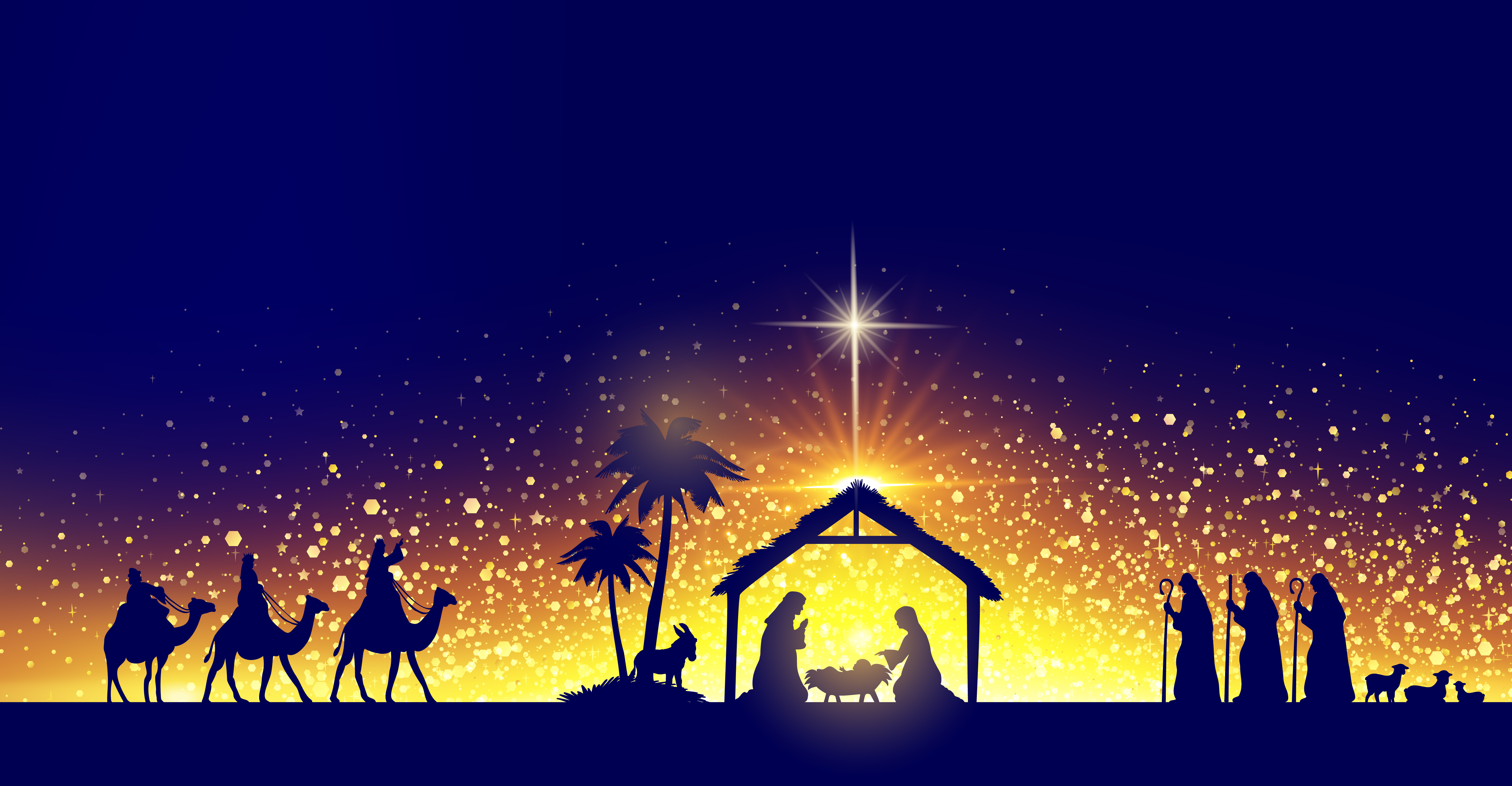
Wishing you all Buon Natale! Hope you enjoy this holiday week and stay tuned!
Giulia and the Italology Team 💚🤍❤️
Coming up next week: Discover the Hidden Gems of Italy with Italology
️Follow us on Instagram, Facebook, X (former Twitter) and LinkedIn!
 Italology: Italian language services, culinary experiences, and fencing coaching
Leave a comment